Let's Talk About Cats
Cats are one of the most popular pets in the world, known for their independence, curiosity, and incredibly unique personalities. This website is dedicated to exploring different aspects of cats and helping visitors better understand these funny little creatures. From their playful behavior to their interesting habits, cats have captured human attention for many centuries- even being represented spiritually in history. Many people enjoy cats not only for their companionship but also for their calming presence and fluffy little faces. Whether you are a cat owner alike or just someone interested in learning more, this site provides interesting information about cats.

What We'll Cover
Throughout this website, you will discover several important topics about cats. One section explains the many different ways cats can communicate with their body language and what that means. Another topic focuses on why cats purr, communication with humans, and what their purring can mean in different situations. You will also learn about proper cat care such as grooming to maintain their health. By the end of your visit, you will have a better understanding of how cats think, behave, and interact with the world around them!


Body Language
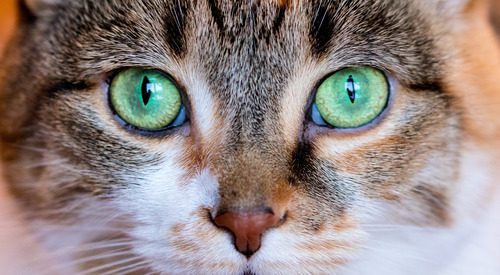
Cats have many means of communication, and some you may not even fully recognize. Cats can communicate emotions like trust, fear, and aggression through pupil size, blink rate, and gaze intensity. Key signals include slow blinks (many a time accompanied by a high tail) which are good signs that they trust you/have love for you. Dilated pupils can showcase fear or overstimulation whilst constricted pupils tend to mean relaxation and focus. Intense stares, usually accompanied by flat ears and tall posture are a great indicator of dominance or a flustered cat. Understanding these subtle signals helps interpret your cat's mood and strengthen your bond with your furry friend.
Why Do Cats Purr?
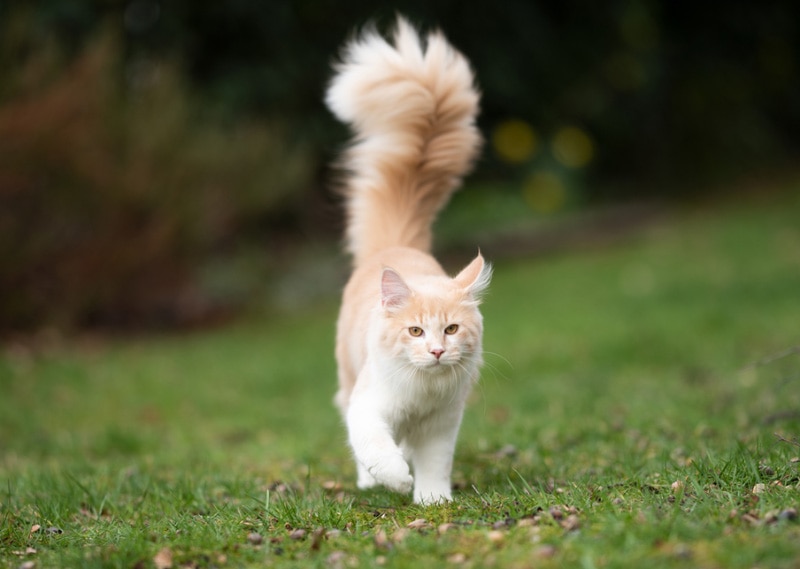
Cats purr for many, many reasons and believe it or not- not just happiness.
Purring can signal contentment, stress, a desire for attention, or even sickness, depending on the situation and your cat’s body language.
It is important to consider what classifies as normal behaviors for your cat, and what could possibly be and underlying issue!
That soft, rumbling sound is one of the most recognizable traits of cats, but it’s also one of the most misunderstood.
While many people associate purring with a happy cat, the truth can be more complex.
Understanding why your cat is purring can aid you in responding to their needs.

Grooming
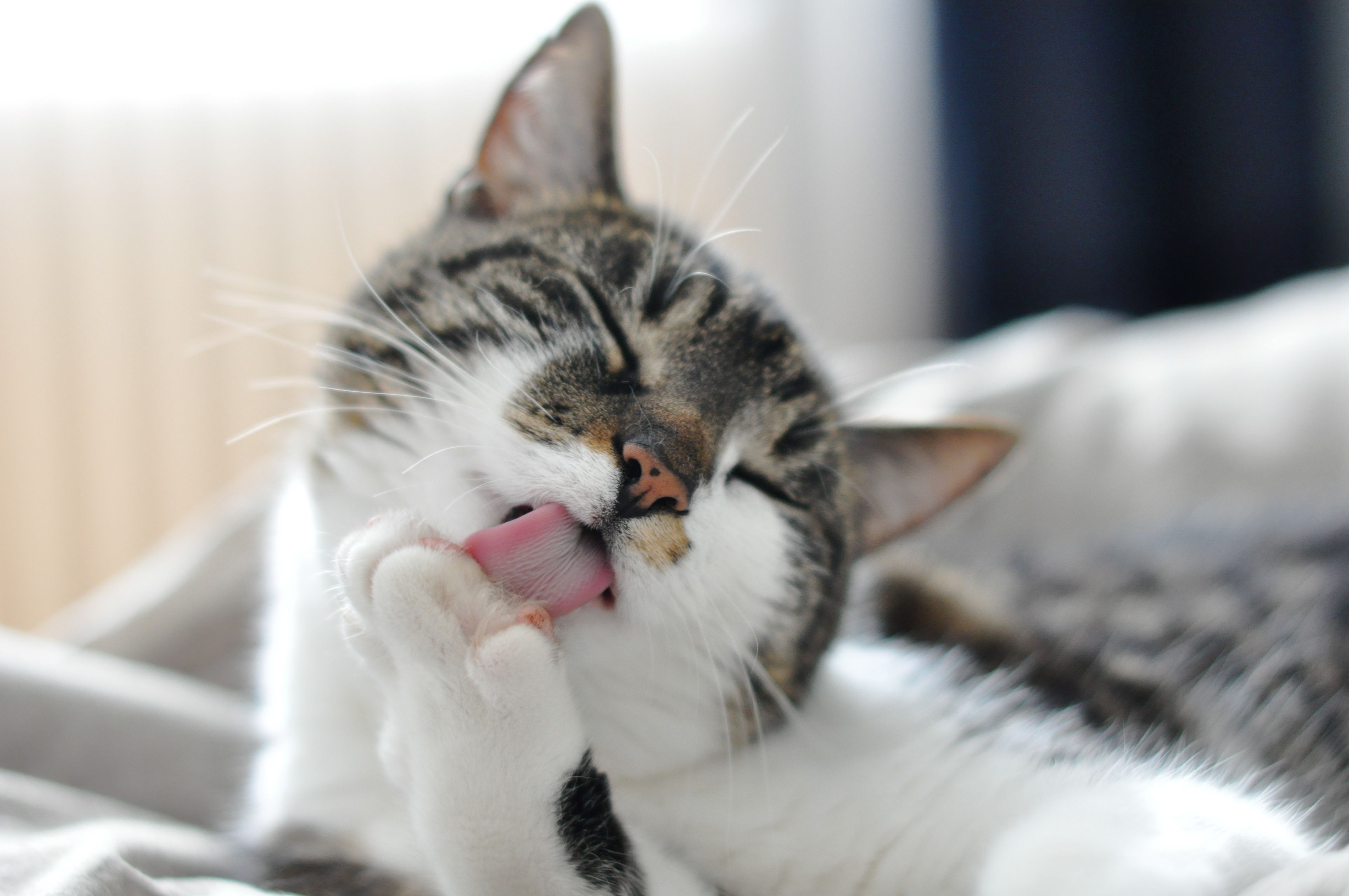
Cats are meticulous self-groomers, spending a good chunk of their day grooming to maintain proper hygiene, regulate body temperature, stimulate circulation, and provide self-soothing. Using their serrated tongues, they remove debris and distribute natural oils, starting with the head and moving down the body. This does not mean that as a caretaker for your cat that you should not also be tending to their grooming needs. Regular grooming for cats is essential to prevent painful mats, reduce hairballs, manage shedding, and detect skin issues. Cats also need their nails trimmed to manage the discomfort that can come with having long nails. It is important to expose cats to grooming young to avoid issues in the future as they age.
Contact
Please reach out if you have any questions, or if you would just like to talk about cats! Every response is appreciated. Thank you!